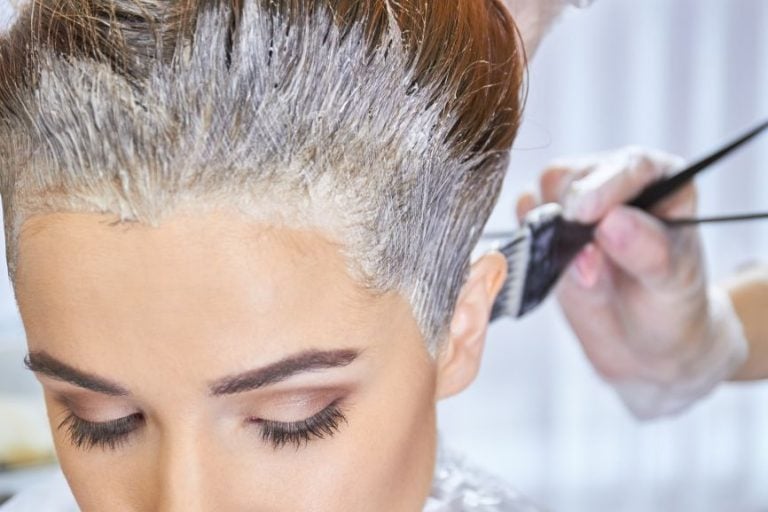
Hot Roots: The Moment You Know Something’s Gone Wrong
If you’re a working colorist, you don’t need a textbook definition of hot roots – you recognize it instantly. The moment you rinse and see that bright band at the scalp… warmer, lighter, louder than everything else. It’s one of those situations where the rest of the color might actually look good, but the roots give everything away.
And the frustrating part? This doesn’t usually happen because you don’t know what you’re doing. It happens in real salon conditions – tight timing, mixed porosity, previous color history, a formula that should have worked on paper.
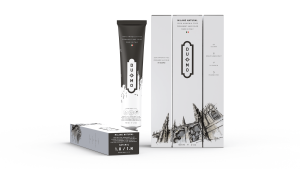
This is exactly where having a controlled system matters. When your color line – and your formulation approach – is built around predictable lift and tone (the way Duomo Pro structures its collections), you’re not reacting to hot roots… you’re preventing them before they happen.
What Hot Roots Actually Are (Beyond the Basic Definition)
Hot roots are simply when the first half inch at the scalp lifts differently than the rest of the hair – but in the chair, it’s more specific than that.
You’ll usually see one of three things:
- A golden or orange band that doesn’t belong in the formula
- Roots that are visibly lighter than the mids
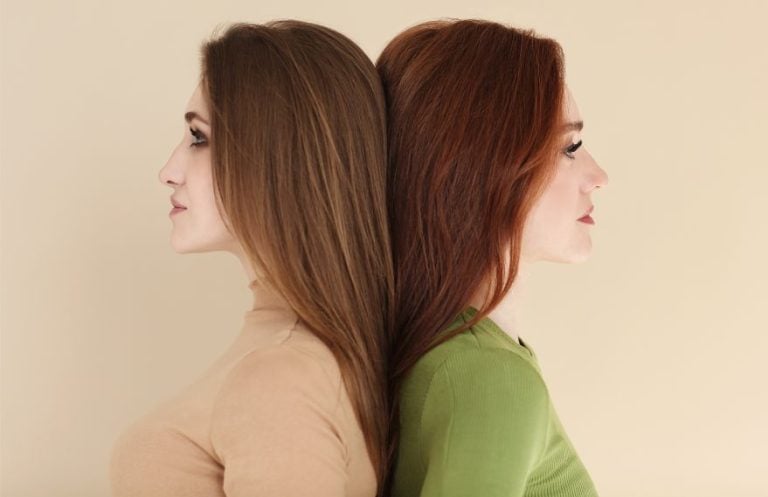
- A disconnect between tone – cool through the lengths, warm at the scalp
It’s not just a color issue. It’s a balance issue.
Why Hot Roots Happen (What’s Really Going On Under the Foil or Brush)
Let’s walk through what actually happens during a typical service.
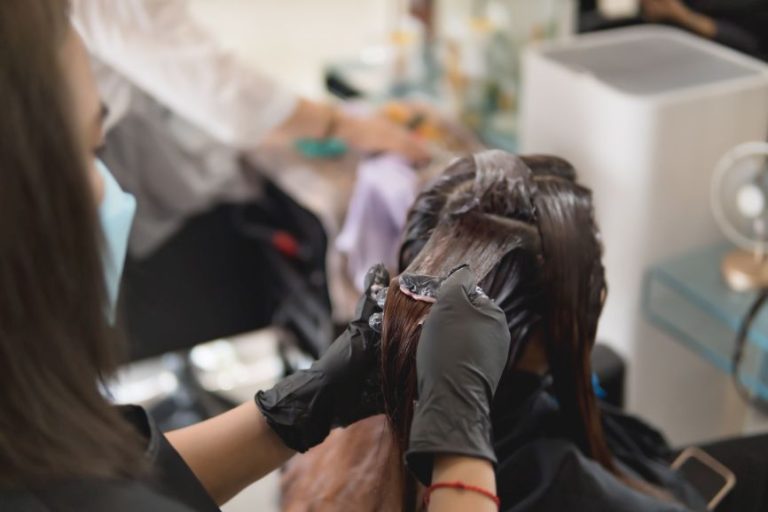
You apply your formula. Everything looks clean. Processing starts. But the scalp is warm – warmer than the rest of the hair – and that changes everything.
The Heat Factor Most People Underestimate
The scalp naturally speeds up processing. That alone wouldn’t be a problem if everything else reacted the same way – but it doesn’t.
Roots:
- Process faster
- Lift quicker
- Expose warmth earlier
Meanwhile, mids and ends – especially if previously colored – are slower, more resistant, or inconsistent.
So even if your formula is technically correct, the environment isn’t equal.
Where Things Start to Go Off Track
In the chair, hot roots usually show up when small decisions stack together:
- You apply everything at once to save time
- You use one developer across the entire head
- You trust the formula without adjusting for heat
- You’re working over previous color and expecting even lift
None of these are “wrong” in isolation – but together, they create imbalance.
The Virgin Hair Problem Nobody Talks About Enough
New growth behaves differently. It’s softer, less compact, and more reactive.
So even before heat comes into play, the roots are already more responsive. Add scalp heat on top of that, and now you’re dealing with accelerated lift and exposed underlying pigment.
That’s why the roots don’t just lift faster – they lift warmer.
How Professionals Actually Prevent Hot Roots (In Real Salon Conditions)
Prevention isn’t about memorizing rules. It’s about controlling variables.
Timing Is Everything (More Than Formula)
One of the simplest shifts – and one of the most effective – is changing when you apply your root formula.
Instead of applying roots first or all at once, experienced colorists:
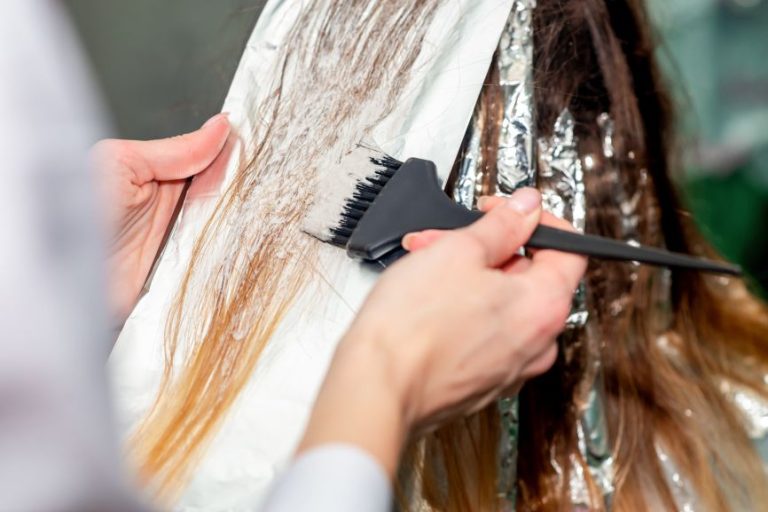
- Work mids and ends first when lightening
- Let them start processing
- Come back to the roots later
This alone offsets the heat difference.
Developer Control Changes Everything
Using the same developer across the head is one of the biggest hidden causes of hot roots.
In practice:
- Roots don’t need the same strength as mids
- In fact, they often need less
Dropping the developer at the root slows the lift just enough to keep things balanced.
Formulating With Heat in Mind
Here’s where the shift happens – from reactive to predictive.
Instead of correcting warmth later, you build control into the formula.
For example:
- If you expect warmth at the root, you slightly cool the formula
- If brightness is a risk, you control the level
This is where structured shade systems become powerful. With collections like Milano Natural for balanced neutrals or Vesuvius Ash for controlled cool tones, you’re not guessing how the root will behave – you’re planning for it.
And Then There’s Precision
Let’s be honest – overlapping happens. Especially on busy days.
But with hot roots, even slight overlap can exaggerate the problem:
- Uneven lift
- Compounded warmth
- Future correction work
Clean sectioning and controlled placement matter more than speed here.
When Hot Roots Already Happened: What You Do Next
This is the real test of a colorist – not avoiding mistakes, but knowing how to fix them without making things worse.
The Quickest Save: Root Shadowing
If the roots are too bright or too warm, the fastest way to regain control is to soften them.
A root shadow:
- Drops the level slightly
- Neutralizes excess warmth
- Blends the transition
For brunettes, something like Modica Chocolate creates depth without looking heavy. For softer corrections, neutral tones from Milano Natural can rebalance without over-darkening.
Toning – But Only Where It’s Needed
Not every hot root needs a full correction. Sometimes it’s just about neutralizing exposed warmth.
The key is reading the tone:
- Yellow → violet
- Orange → blue
And just as important – keeping it targeted. Over-toning the mids can create a new problem.
The Root Smudge Approach
When the issue is more visual than technical – a harsh line, a bright band – a root smudge can soften everything.
It’s less about correction, more about blending:
- Blur the transition
- Melt the root into the mids
- Create a more natural finish
This is especially useful in blonding work.
And Sometimes… You Don’t Fix the Roots
This is where experience comes in.
If the roots lifted cleaner than expected – and the mids are the problem – it can make more sense to lift everything else to match.
Trying to darken perfect lift at the root can flatten the result.
The Bigger Truth About Hot Roots
Hot roots aren’t just a mistake. They’re a signal.
A signal that:
- Timing wasn’t controlled
- Heat wasn’t accounted for
- The formula wasn’t adjusted for real conditions
Once you start thinking in terms of control – not just color – you stop chasing corrections.
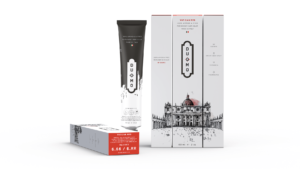
And that’s where a system like Duomo Pro becomes valuable. Not because it “fixes” hot roots, but because its shade families – Firenze Copper, Vatican Red, Vesuvius Ash, Milano Natural – are built to give you predictable tone behavior across different scenarios.
FAQ: Hot Roots (Professional Perspective)
Why do hot roots happen even with the right formula?
Because the scalp creates a different processing environment than the rest of the hair.
What’s the fastest professional fix?
A root shadow or targeted toner, depending on the severity
Can you completely prevent hot roots?
Yes – but only when you control timing, developer strength, and formulation together.
Should roots always be applied last?
In most lightening services, yes. It helps offset scalp heat.
Why are roots warmer than ends?
They process faster and expose underlying pigment sooner.
Is toning enough to fix hot roots?
Sometimes – but severe cases need depth adjustment or rebalancing.