If you’re a salon owner, colorist, or educator, you already know this: brass isn’t a “mistake.” It’s predictable chemistry. The real frustration happens when lifts look clean at the bowl but turn warm under natural light… when roots flash orange while mids stay muddy… or when toners fade unevenly on porous ends. At Duomo Pro, we approach brass control through professional shade logic and underlying pigment mapping-so you’re not guessing with purple shampoo, you’re correcting with intention.
Let’s break it down properly.
The Professional Truth: Brass Is the Underlying Pigment Revealing Itself
Every level of hair contains natural underlying pigment. When you lighten, you expose it.
Here’s the simplified Underlying Pigment Map (Levels 1–10) used in professional color theory:
| Level | Underlying Pigment |
|---|---|
| 1–2 | Deep red |
| 3 | Red |
| 4 | Red-orange |
| 5 | Orange |
| 6 | Orange-yellow |
| 7 | Yellow-orange |
| 8 | Yellow |
| 9 | Pale yellow |
| 10 | Lightest yellow |
This isn’t optional. This is what the hair will reveal when lifted.
When brass shows up, it’s usually because:
- The lift stopped mid-process
- Developer strength didn’t match the target level
- Porosity altered deposit
- The neutralizing tone was too weak (or misdirected)
In the chair, brass is rarely random. It’s mathematical.
What Cancels Out Brass? (Color Wheel Logic for Professionals)
Brass neutralization is based on complementary color theory:
- Yellow → Neutralized by Violet
- Orange → Neutralized by Blue
- Red → Neutralized by Green
The mistake many stylists make? Over-simplifying it to “use purple.”
Here’s the thing-if you’re lifting to a Level 7 exposing yellow-orange, a pure violet won’t fully neutralize it. You’ll need a balanced blue-violet tone to correct properly.
This is where controlled professional systems outperform generic toning products.
Level-by-Level Brass Neutralization Strategy
Levels 1–4 (Red & Red-Orange Exposure)
At these depths, brass correction isn’t about purple shampoo-it’s about formulation control.
Common scenario:
A Level 4 brunette lifted unevenly shows red-orange warmth in mids.
Professional correction logic:
- Use ash-based formulas with blue-green undertones.
- Adjust developer to prevent excessive warmth exposure.
- Apply lower-volume deposit for controlled tonal shift.
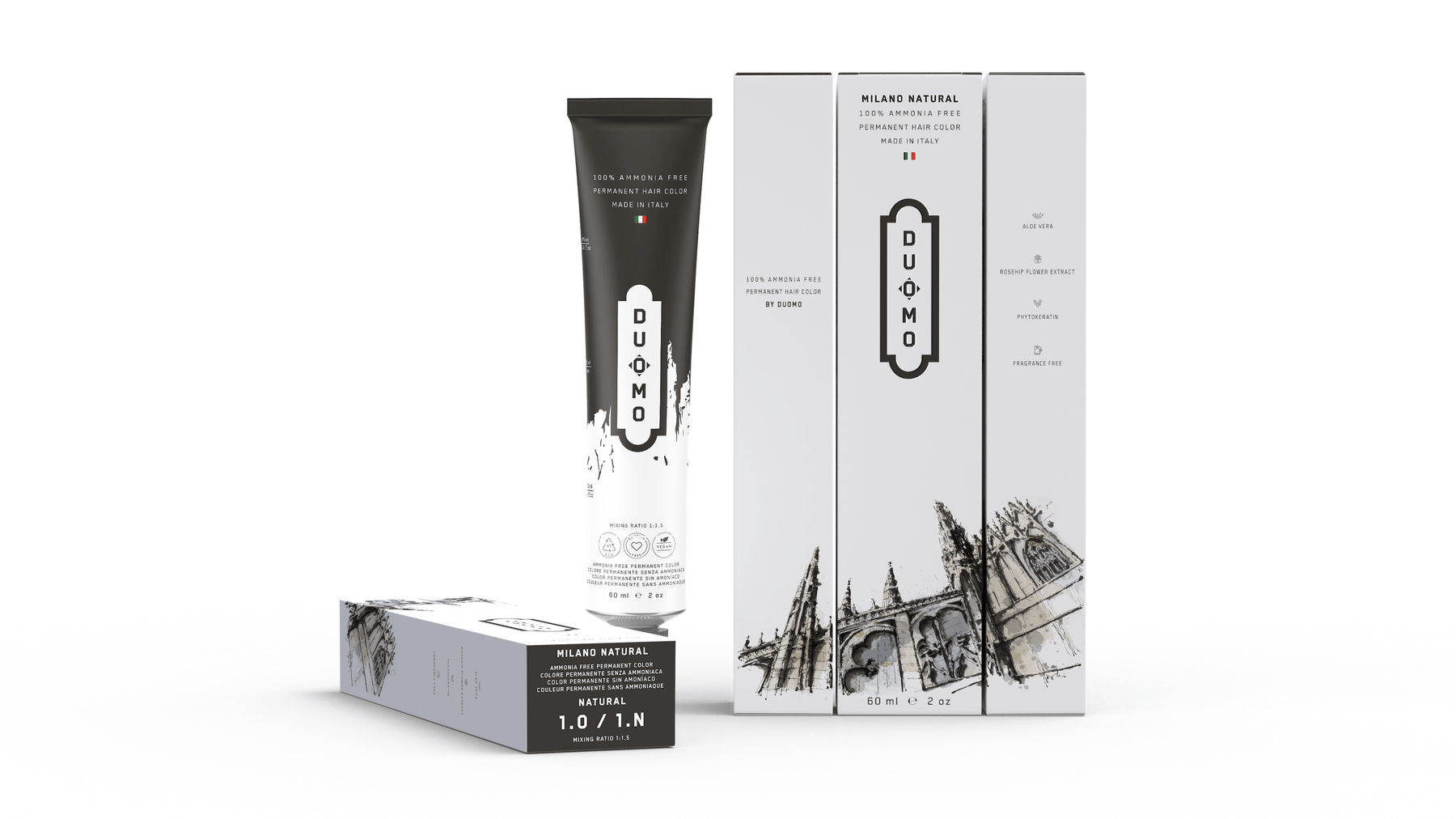
Duomo Pro’s depth-controlled collections like Milano Natural are structured for balanced neutral control without over-ash dullness.
Level 5–6 (Orange & Orange-Yellow)
This is the “hot root” danger zone.
Chair-side reality:
Roots lift faster due to scalp heat → mids remain darker → result = bright orange banding.
Neutralization strategy:
- Pre-tone roots separately if necessary.
- Use blue-dominant ash for strong orange control.
- Watch timing closely-over-toning here causes muddy finishes.
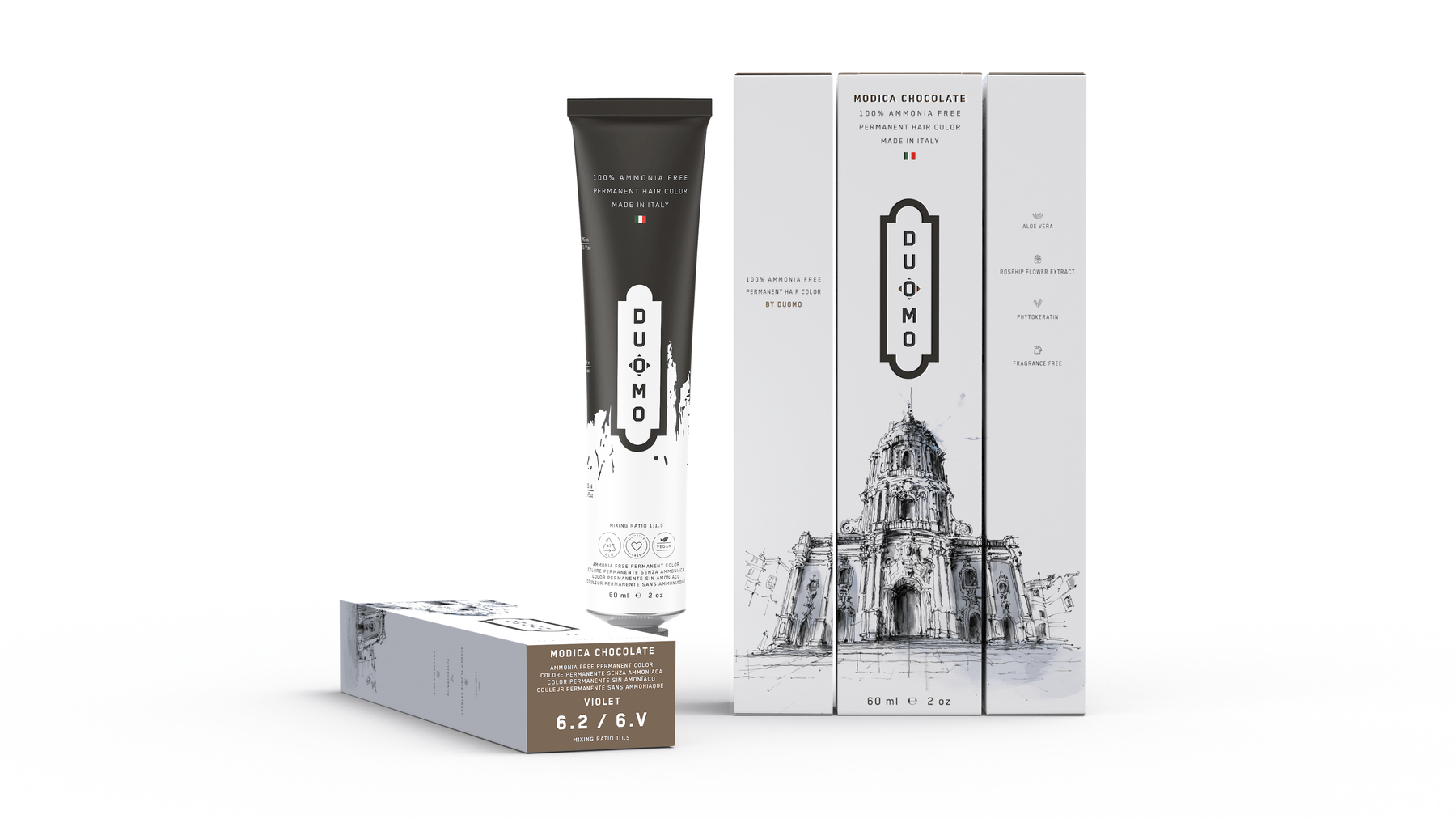
When controlled ash warmth is desired rather than full cancellation, shades inspired by Modica Chocolate allow warmth refinement without brass dominance.
Level 7 (Yellow-Orange)
The most misunderstood level.
It looks light enough-but it still carries warmth.
Solution:
- Use balanced blue-violet tones.
- Avoid straight violet unless lift reaches clean yellow.
- Consider glossing for refined correction.
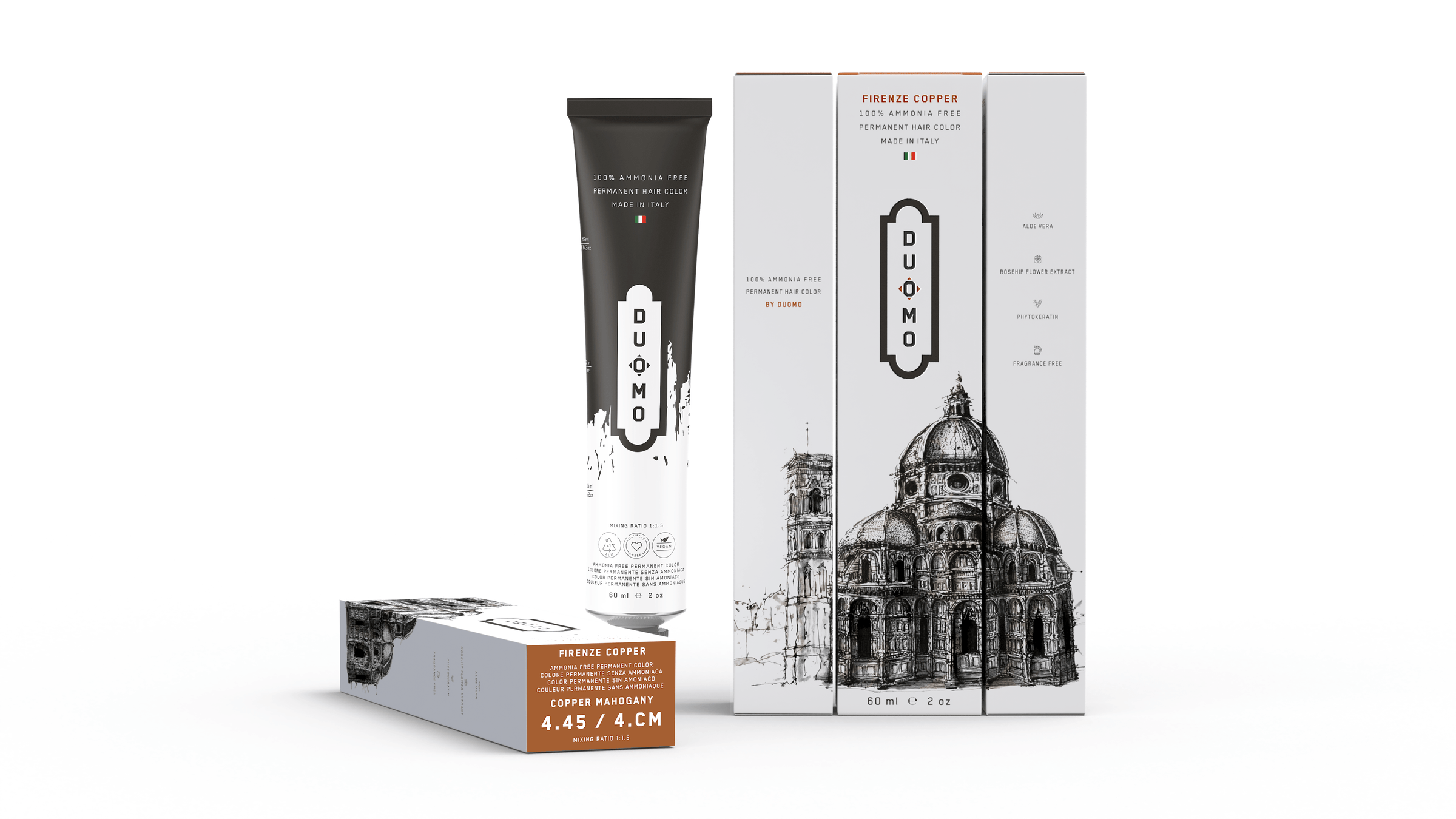
For soft copper refinement rather than full neutralization, structured warmth collections like Firenze Copper allow tone control with intention-not accidental brass.
Levels 8–10 (Yellow & Pale Yellow)
Now we’re in classic toning territory.
- Level 8 → true yellow (needs violet with slight blue support)
- Level 9–10 → pale yellow (pure violet effective)
Application rule:
- Apply on damp, towel-dried hair.
- Monitor visually.
- Avoid over-processing porous ends.
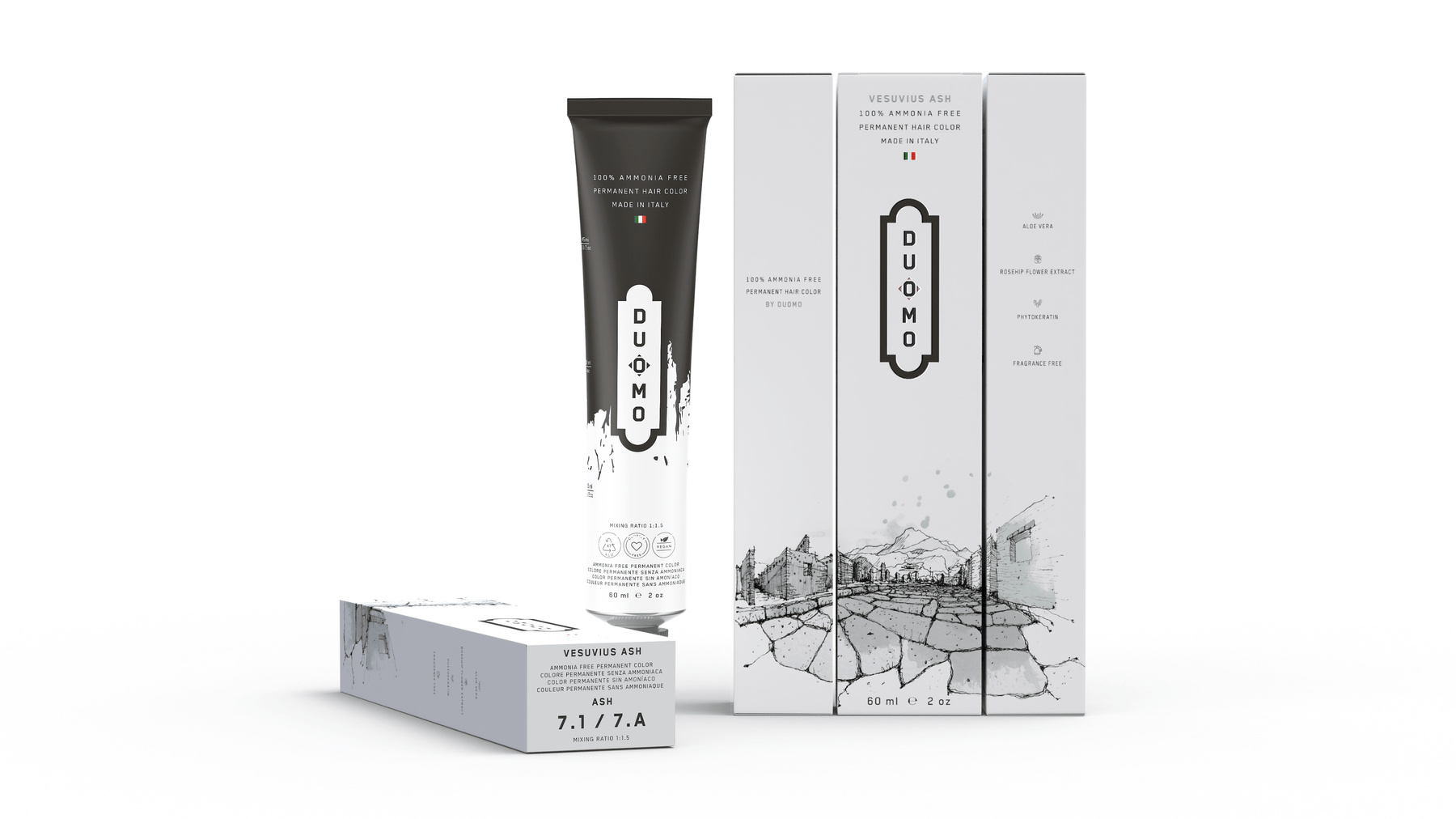
Controlled ash refinement-like tones inspired by Vesuvius Ash-maintains cool clarity without hollowing the result.
And for bold red clients (think Vatican Red), remember: preventing unwanted brass during pre-lightening ensures red vibrancy stays true instead of skewing warm-orange.
Why Purple Shampoo Isn’t a Professional Strategy
Many sources on the internet recommend using;
- Blue shampoo
- Purple shampoo
- Weekly masks
These are maintenance tools-not correction solutions.
They:
- Lack sufficient pigment load for strong orange
- Can over-dry porous hair
- Create uneven deposits in mixed-porosity zones
Professional neutralization requires:
- Correct level diagnosis
- Correct complementary tone
- Controlled developer
- Strategic placement
Step-by-Step: How to Tone Out Brass Properly
Step 1: Diagnose the True Level
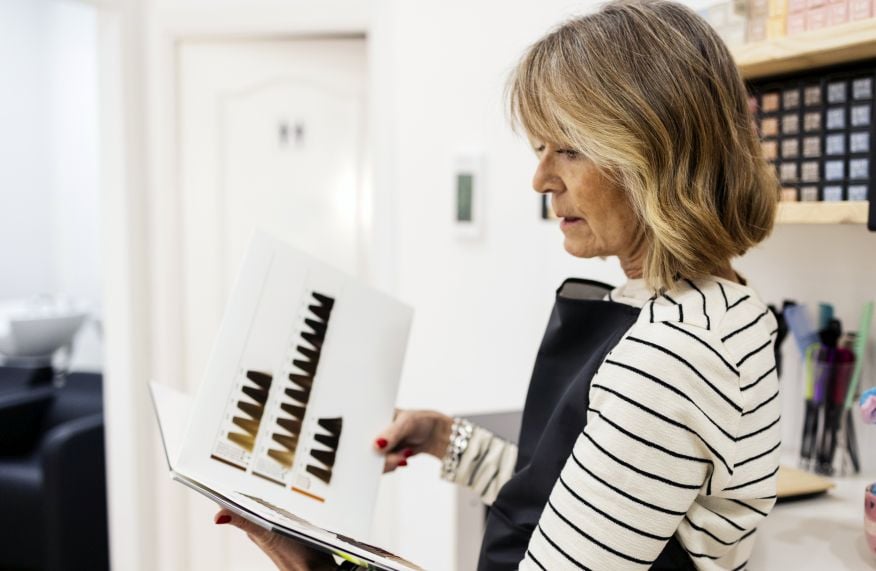
Use a professional swatch reference like the Duomo Swatchbook to confirm depth.
Step 2: Identify the Dominant Underlying Pigment
Is it:
- Orange?
- Yellow-orange?
- Clean yellow?
Be precise.
Step 3: Select Complementary Tone
Match correction strength to warmth intensity.
Step 4: Control Porosity
- Pre-fill if needed
- Use protein-balancing treatments before toning
Step 5: Monitor Visually
Don’t rely on timing alone. Brass neutralization is visual chemistry.
Why Neutralization Fails in Real Salon Conditions
Let’s be honest.
It fails when:
- Developer is too strong
- Lift is incomplete
- Toner strength doesn’t match warmth
- Application is uneven
- Porosity isn’t addressed
In busy salons, time pressure leads to shortcuts. But brass correction always costs more time later.
Preventing Brass Before It Happens
Prevention is smarter than correction.
- Lift cleanly to the target level.
- Avoid under-processing.
- Use sulfate-controlled home care guidance.
- Educate clients on mineral buildup (shower filters help).
For professional fiber science references, organizations like the Society of Cosmetic Chemists and educational resources from Milady Professional provide foundational knowledge on hair fiber structure and pigment behavior.
FAQ: Neutralizing Brass (People Also Ask)
What cancels out brass?
Complementary tones: violet cancels yellow, blue cancels orange, green cancels red.
What is brass neutralizing?
It’s the controlled application of complementary pigments to counteract exposed underlying warmth after lightening.
How do you tone out brass?
Diagnose the level, identify the underlying pigment, select the appropriate complementary tone, apply with controlled timing and developer.
Why does brass come back after toning?
Porosity, improper lift, or fading of corrective pigment.
Can purple shampoo fix orange hair?
No. Orange requires blue-based correction.
How often should toners be applied?
As needed based on fade and porosity-not on a fixed weekly schedule.
Final Takeaway: Brass Is Predictable-If You Map It
When you understand the underlying pigment map, brass stops being frustrating and starts being manageable.
Neutralization isn’t about grabbing the nearest purple product. It’s about:
- Level accuracy
- Complementary precision
- Controlled formulation
If you want a predictable system built around tone logic and structured shade families, Duomo Pro’s Italian-inspired collections are designed for controlled warmth, refined ash, and professional consistency.
Because in professional color, brass isn’t the enemy. Guesswork is.