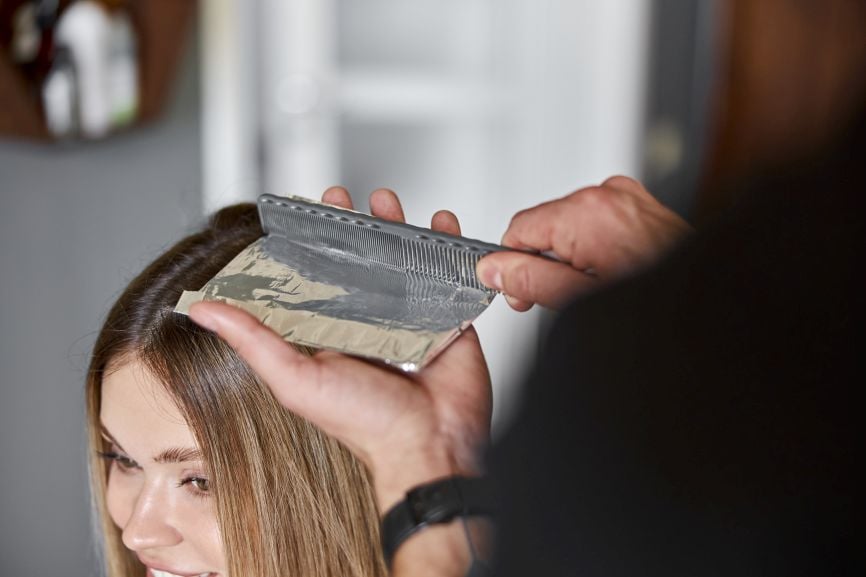
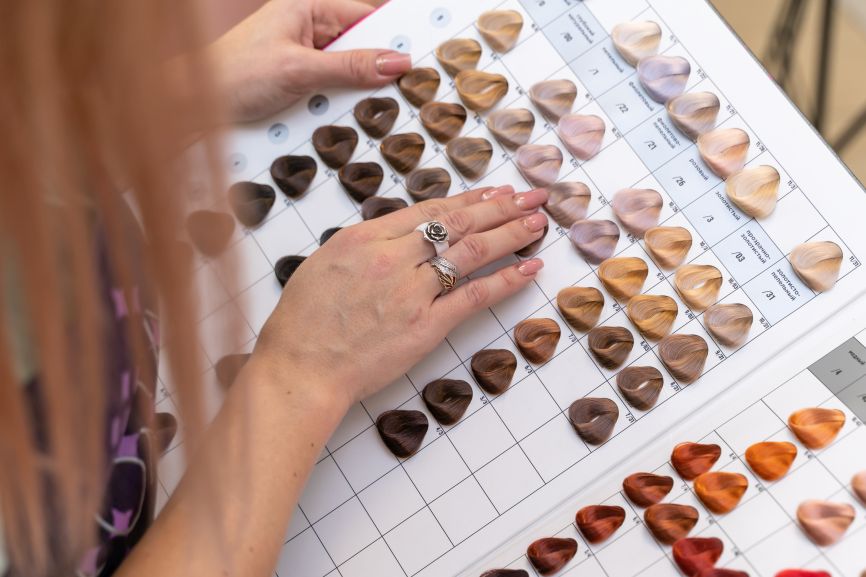
For colorists and salon owners comparing professional color systems, shade range and grey coverage are only part of the decision. The harder question is what repeated oxidative services will do to the client’s hair and scalp over time. Duomo approaches that concern by pairing the chemistry required for reliable color development with phytokeratin, aloe vera, and rosehip flower extract, three Italian hair color ingredients selected to support the condition, feel, and service experience of professionally colored hair.
Why Ingredients in Professional Hair Color Matter Beyond the Color Result
Most colorists initially evaluate a professional line according to shade accuracy, grey coverage, processing consistency, developer options, and cost per application. Those criteria are essential, but they do not tell the whole story.
A formula can deliver an excellent result at the first appointment while leaving frequently colored hair progressively rougher, more porous, or harder to manage. For a client returning every four to six weeks, the condition of the fiber after months of services matters just as much as the result captured in the first after photo.
Permanent oxidative coloring uses alkaline and oxidizing ingredients to swell the cuticle, alter natural pigment, and develop new color molecules within the hair. Research shows that repeated exposure can affect the cuticle, hair proteins, surface lipids, elasticity, and overall mechanical condition of the fiber.
This is why professional hair color ingredients should be evaluated as a system. Conditioning proteins, botanical extracts, emollients, and other supportive ingredients do not make oxidative color damage-free. Their purpose is to improve the formula’s cosmetic balance by supporting softness, combability, surface smoothness, or scalp comfort while the essential color chemistry does its work.
Well-designed Italian professional hair color should therefore be judged by both its color performance and the condition it leaves behind.
The Base Chemistry: What Makes the Color Formula Work
Before assessing conditioning ingredients, it helps to separate them from the functional base of an oxidative color formula.
An alkaline agent raises the formula’s pH and swells the cuticle, helping color intermediates enter the hair. Conventional formulas may use ammonium hydroxide, while ammonia-free products can use alkaline alternatives such as ethanolamine.
A hydrogen peroxide developer oxidizes some of the hair’s natural melanin and initiates the reactions that develop the new color.
Oxidative dye precursors and couplers react during processing to form larger colored molecules within the hair fiber.
Phytokeratin, aloe vera, and rosehip extract do not replace these functions. They form part of the surrounding conditioning and sensory system.
Duomo states that its Italian-designed color line is ammonia-free and fragrance-free and contains phytokeratin, aloe vera, and rosehip flower extract. It is also designed as a three-in-one system for permanent color, demi-permanent color, and toning services.
Phytokeratin: What It Does During Oxidative Color Processing
Phytokeratin is a cosmetic term generally used for hydrolysed proteins derived from plant sources. Depending on the supplier and formula, these may originate from wheat, soy, corn, rice, or another vegetable source.
Hydrolysis breaks large proteins into smaller peptides and amino-acid-rich fragments that can be incorporated more easily into cosmetic products. The molecular size of those fragments influences how they interact with the hair.
Oxidative coloring creates an alkaline environment that swells the cuticle so color intermediates can move into the fiber. Repeated processing, especially when color overlaps onto previously treated lengths, can increase porosity and contribute to cuticle wear, protein degradation, reduced elasticity, and weaker mechanical performance.
Hydrolysed proteins are included to improve the condition of those compromised areas. Rather than permanently rebuilding the hair’s natural keratin, they can adhere to porous regions and form a temporary film on or near the cuticle. Smaller fractions may diffuse farther into porous hair than larger ones, but claims of deep cortex reconstruction should not be made without testing on the specific ingredient and finished formula.
Their practical value is primarily cosmetic reinforcement. Protein-derived conditioning ingredients may help:
- Smooth irregular or raised cuticle areas
- Improve wet and dry combability
- Give fine or porous hair a firmer feel
- Reduce the rough sensation associated with repeated processing
- Improve body and manageability after rinsing
At the chair, the difference is often most noticeable on mid-lengths that have been colored repeatedly. Wet hair may detangle more easily and feel less limp or fragile during handling. Once dry, the surface may feel smoother and more substantial.
That does not mean protein-containing color makes unnecessary overlap safe. Application control remains one of the most important protections against cumulative damage. Phytokeratin supports the conditioning system, but it cannot reverse severe structural deterioration or restore processed hair to virgin condition.
Aloe Vera: What It Does for the Scalp During Color Services
Aloe vera contains water-binding polysaccharides along with amino acids, glycoproteins, minerals, and various bioactive compounds. In topical formulations, it is most commonly used for its moisturizing, film-forming, and potentially soothing properties.
During an oxidative color service, the scalp is exposed to an alkaline color mixture and an oxidizing developer. Some clients may notice warmth, tightness, tingling, or dryness, particularly if they color frequently or already experience mild scalp sensitivity.
Aloe-derived polysaccharides can help retain water at the skin’s surface and contribute to a light film within the formula. Aloe has also demonstrated anti-inflammatory activity in topical and laboratory research, although its real-world effect depends on the type of aloe ingredient, concentration, processing method, and complete finished formulation.
It is important not to overstate that role. Aloe vera does not neutralize the alkalinity of permanent color. The formula must remain within its intended pH range for color development. It also cannot prevent allergic contact dermatitis or make oxidative hair color suitable for someone with a known allergy to one of its ingredients.
The most defensible chair-side benefit is supportive moisture and comfort. In a carefully balanced formula, aloe may help reduce the dry or tight sensation associated with processing. Duomo combines aloe vera with a fragrance-free, ammonia-free color system, which supports a more considered salon experience without eliminating the need for standard safety precautions.
Colorists should still complete the manufacturer-directed allergy alert test, assess the scalp before every service, wear gloves, and avoid applying oxidative color to broken or visibly irritated skin.
For more context on alkaline alternatives and formulation claims, read the guide to ammonia-free professional hair color.
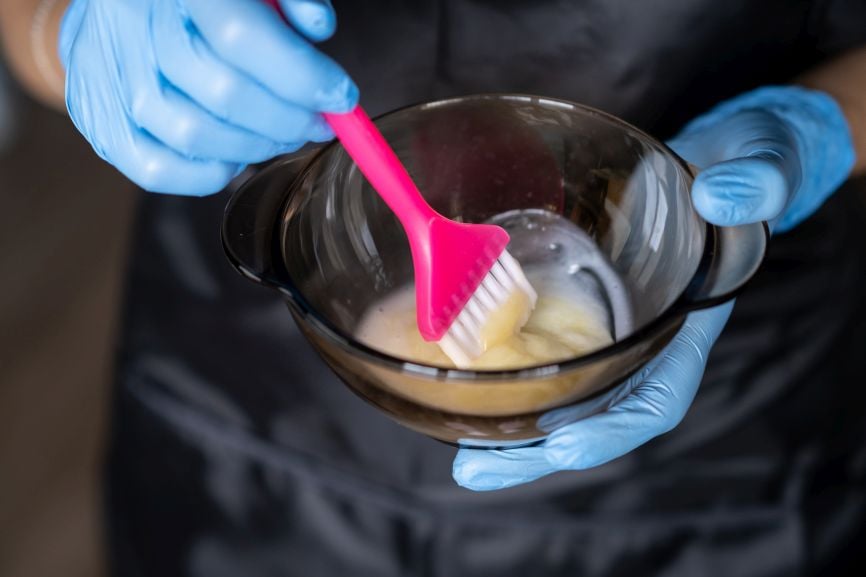
Rosehip Extract: What It Does for Hair Condition After Color
Rosehip ingredients require careful interpretation because rosehip seed oil, fruit extract, seed extract, and flower extract are not chemically identical.
Rosehip seed oil is known for containing fatty acids such as linoleic and alpha-linolenic acid. A rosehip flower extract may offer a different mixture of botanical compounds and should not automatically be assigned the same fatty-acid profile or lipid-replenishing mechanism as the oil.
Duomo specifically describes its formula as containing rosehip flower extract.
That distinction changes how its role should be explained. It is reasonable to position rosehip flower extract as part of the formula’s botanical conditioning and antioxidant-support system. However, without the supplier specification, concentration, and finished-product performance data, it would be inaccurate to claim that it reconstructs the hair’s natural lipid coating.
The cuticle surface normally includes a lipid-rich layer that supports hydrophobicity, smoothness, and low friction. Oxidative coloring can disturb the cuticle and reduce lipid levels, contributing to increased porosity, friction, dryness, and reduced shine over time.
A complete color formula may counter some of these cosmetic effects through a combination of emollients, fatty alcohols, polymers, proteins, and botanical extracts. Within that wider system, rosehip flower extract contributes to the formula’s conditioning profile rather than acting as a standalone repair treatment.
What the client should notice is not a technical ingredient claim but a better finished feel:
- Hair that feels softer after rinsing
- Less friction during detangling
- A smoother blow-dried surface
- Improved light reflection and visible shine
- Less of the dry or stripped sensation associated with coloring
These outcomes matter because clients judge a color service with their hands as well as their eyes. A precise shade can still feel unsuccessful when the hair is difficult to comb, rough through the ends, or visibly dull.
How These Ingredients Work Together Across Repeated Color Services
Duomo’s three signature ingredients contribute different functions within the overall formula:
| Ingredient | Role in the color formula | Practical outcome |
| Phytokeratin | Provides protein-derived film-forming and conditioning support | Hair feels firmer, smoother, and easier to detangle |
| Aloe vera | Supports surface hydration and the formula’s soothing profile | A more comfortable, less drying service experience |
| Rosehip flower extract | Contributes botanical conditioning and antioxidant support | Softer feel and a smoother, shinier-looking finish |
The cumulative effect is particularly relevant for grey-coverage clients. A person returning every four to six weeks may receive approximately nine to thirteen color services per year.
Most of those appointments should focus on new growth, but the hairline, temples, and previously colored lengths may still experience repeated exposure through refreshing, emulsification, or accidental overlap. Over time, even small differences in formulation and technique can become visible.
A professional formula that includes conditioning ingredients addresses hair feel and service comfort during processing rather than expecting a post-color mask to compensate for every cosmetic effect afterward. It does not replace accurate formulation, careful placement, porosity management, or suitable home care. It strengthens the overall service system.
For salons, that has a practical business effect. Clients are more likely to remain loyal when their hair stays polished, manageable, and attractive between appointments. Better-maintained hair also gives the colorist more options at future services because the canvas is not being progressively compromised.
Colorists can explore Duomo’s professional color line to see how these ingredients are incorporated into an Italian-designed, multi-use color system.
What to Look for on a Professional Hair Color Ingredient List
An intelligent formula assessment begins with the INCI list rather than the botanical claims printed on the front of the packaging.
Identify hydrolysed proteins
Common INCI names include:
- Hydrolyzed Wheat Protein
- Hydrolyzed Soy Protein
- Hydrolyzed Corn Protein
- Hydrolyzed Vegetable Protein
- Hydrolyzed Keratin
The ingredient name identifies the material, but it does not reveal its molecular-weight distribution, concentration, or tested performance.
Find the alkaline agent
Ammonia may appear as Ammonium Hydroxide. Ammonia-free oxidative formulas may contain Ethanolamine, Monoethanolamine, or another alkalizing ingredient.
Ammonia-free does not mean alkaline-free, chemical-free, or incapable of causing irritation. Oxidative color still depends on controlled alkalinity and developer chemistry.
Examine the wider conditioning system
Look beyond one featured extract. Hydrolysed proteins, fatty alcohols, emollients, polymers, humectants, oils, and botanical ingredients may work together to affect spreadability, rinsing, detangling, and the finished feel of the hair.
Ingredient order offers some context, but it cannot tell a colorist exactly how the product will perform. The finished formula, pH, developer pairing, application method, and processing time all influence the result.
For coverage-focused services, evaluate the ingredient list alongside shade selection, developer strength, timing, and the brand’s grey coverage formula framework.
FAQs
What is phytokeratin, and does it actually strengthen hair during color?
Phytokeratin generally refers to hydrolysed plant proteins used as conditioning ingredients. These protein fragments can adhere to porous or damaged areas and form a temporary film that improves body, smoothness, and combability. They may help processed hair feel stronger, but they do not permanently rebuild its internal keratin structure.
Is aloe vera in hair color just a marketing ingredient?
Aloe vera can provide water-binding polysaccharides and other compounds that support moisture retention and the formula’s soothing profile. Its inclusion is therefore functional, but its benefit depends on its concentration and the complete formulation. Aloe does not prevent hair color allergies or make an alkaline formula non-irritating for every client.
Do conditioning ingredients affect the color result?
Conditioning ingredients can influence spreadability, slip, rinsing, combability, and the condition of the hair after processing. In a properly engineered formula, they should support those qualities without preventing pigment development. The prescribed developer, mixing ratio, application method, and processing time must still be followed.
How is Italian professional hair color different at the ingredient level?
There is no single ingredient that legally or technically defines all Italian hair color. The meaningful difference lies in the manufacturer’s complete formulation approach, including its alkalizing system, pigment technology, conditioning agents, sensory profile, and professional protocols. Italian origin alone is not proof of superior performance, so colorists should assess the finished system rather than relying on the country-of-origin claim.
Should I choose a professional hair color brand based on its ingredient list?
The ingredient list should inform the decision, but it should not make the decision by itself. Test grey coverage, tonal accuracy, fade, consistency, scalp comfort, hair feel, developer options, education, and technical support. The strongest professional system is one whose chemistry and protocols deliver repeatable results on your salon’s actual clients.
For a complete explanation of what distinguishes Italian color systems beyond their ingredients, read the full guide to Italian professional hair color.