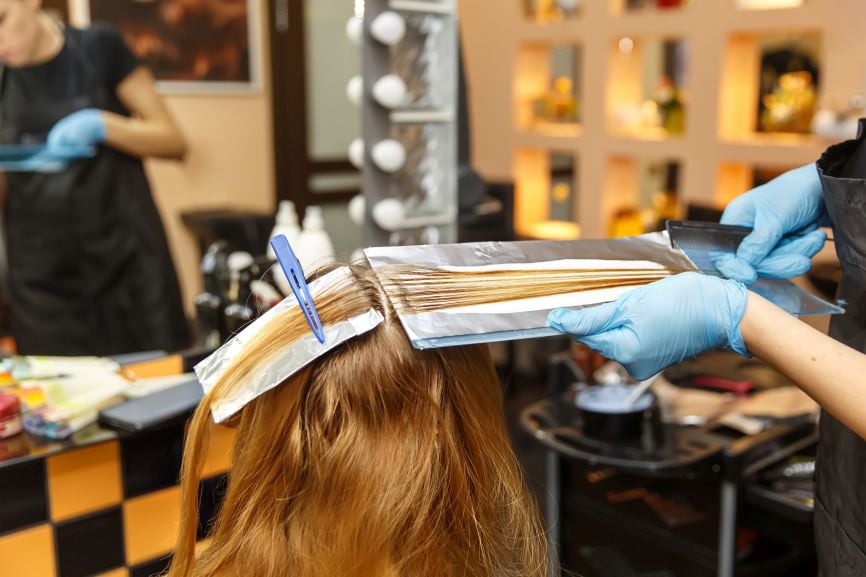
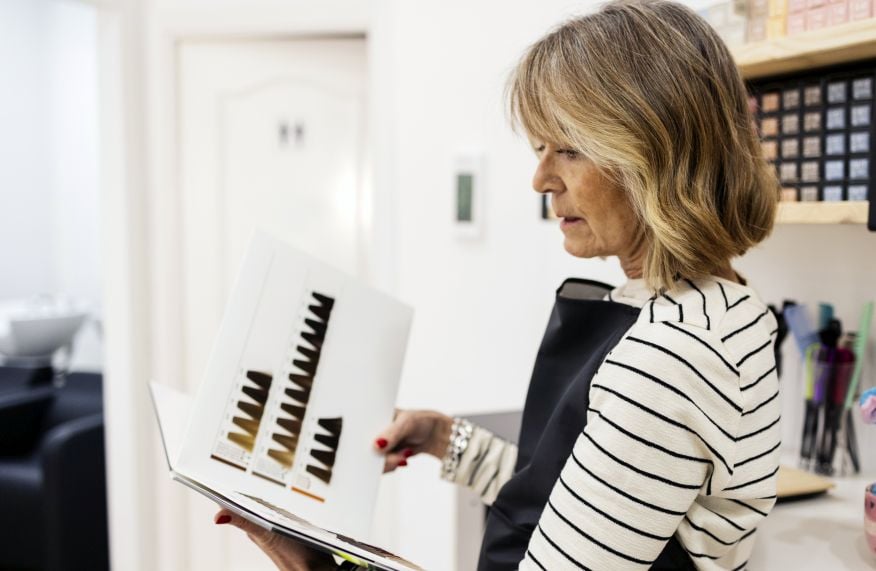
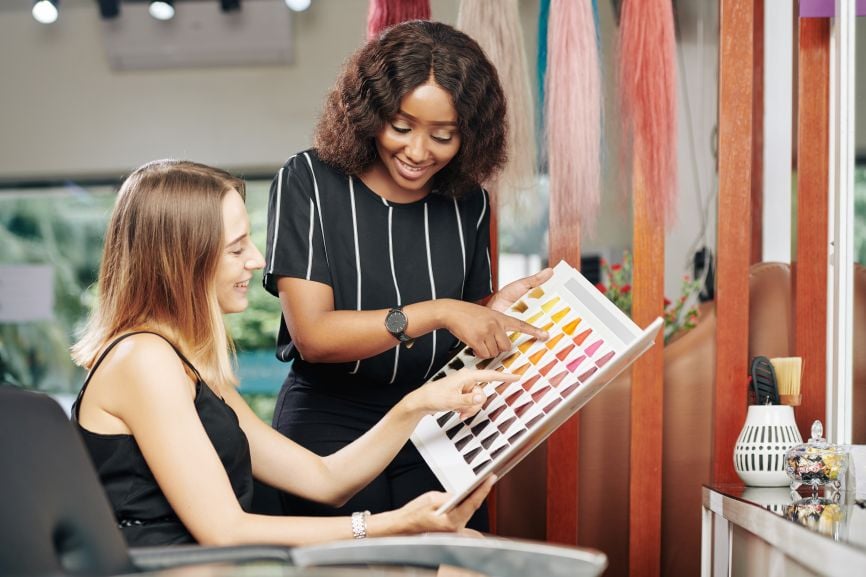
For professional colorists and salon owners, knowing how often you should tone blonde hair is essential to maintaining beautiful results between appointments. Most blonde clients benefit from a professional toner or gloss refresh approximately every 4 to 6 weeks, although the ideal interval depends on hair porosity, washing habits, water quality, and heat exposure. When unwanted yellow or orange returns sooner than expected, the challenge is identifying why before recommending another service. Duomo supports a more precise approach to blonde maintenance through professional color theory, targeted neutralization, and salon-focused home care.
The key is to schedule toner appointments according to how quickly the desired tone fades, not simply by the calendar.
How Often Should You Tone Blonde Hair?
Most blonde clients can start with a professional toner or gloss refresh every 4 to 6 weeks. However, platinum blondes may require more frequent maintenance, while darker or lived-in blondes can often extend the interval.
Professional toner longevity varies depending on the formulation, previous lightening, hair condition, and daily maintenance.
For example, a client with highly porous platinum hair who washes frequently may notice yellow tones returning sooner than someone with healthier, less porous blonde hair.
Before recommending another toner appointment, ask:
- Has unwanted yellow or orange become visible?
- Is the blonde still balanced but lacking shine?
- Does the hair fade evenly, or do certain sections change faster?
- Has the client changed their washing or styling routine?
These questions help determine whether another toner, a gloss refresh, or improved home care is the most appropriate solution.
Remember that toner maintenance and lightening appointments are different services. A client may need tonal correction several weeks before their next highlighting appointment.
Why Does Blonde Hair Turn Brassy?
Blonde hair becomes brassy when previously neutralized yellow or orange undertones become more visible.
During lightening, natural melanin is broken down, revealing underlying warm pigments. These pigments vary according to the hair’s starting level and how far it has been lightened.
Professional toners introduce corrective pigments to neutralize unwanted warmth and create the desired blonde result.
However, deposited color gradually fades. As the corrective pigment becomes less visible, the underlying warmth can reappear.
This is why blonde hair may look beautifully cool after a salon appointment but gradually shift toward yellow or gold.
The process becomes easier to understand using Duomo’s underlying pigment map, which explains the relationship between hair levels and exposed warmth.
Colorists can also reference the hair color levels 1–10 guide when determining the correct starting depth for formulation.
Not every warm reflection is unwanted. A golden blonde may be the intended result, while the same warmth could be considered brassiness on an icy blonde.
Similar fading patterns occur in darker shades. Duomo’s brassy brunette fix explains why unwanted warmth can return in brunette hair.
Toner Schedule by Blonde Type
Different blonde services require different maintenance approaches.
The following schedule provides practical starting intervals rather than guaranteed toner longevity.
| Blonde Type | Starting Interval | Why | Home Care Focus |
| Level 9–10 platinum, high porosity | 3–5 weeks | Pale, porous hair may show fading quickly | Violet care and gentle washing |
| Level 8–9 golden or natural blonde | 5–6 weeks | Moderate tonal maintenance needs | Violet shampoo when unwanted yellow appears |
| Level 6–7 dark blonde, lived-in | 6–8 weeks | Added depth can make fading less noticeable | Blue-violet care when appropriate |
| Balayage or root melt | 8–12 weeks, with a gloss refresh as needed | Softer regrowth allows longer intervals between larger services | Gentle, color-safe cleansing |
Important: The 8–12-week balayage interval refers to a possible maintenance appointment schedule, not a promise that the original toner will remain effective throughout that period. A separate gloss refresh may be appropriate sooner.
Hair condition can also change the schedule.
Highly porous sections may absorb pigment quickly, develop uneven tonal results, or lose visible correction faster under some conditions. The exact behavior depends on the product and the hair’s previous processing.
A colorist should therefore evaluate the hair before every refresh rather than automatically repeating the original formula.
Which Tone Corrects Which Brass?
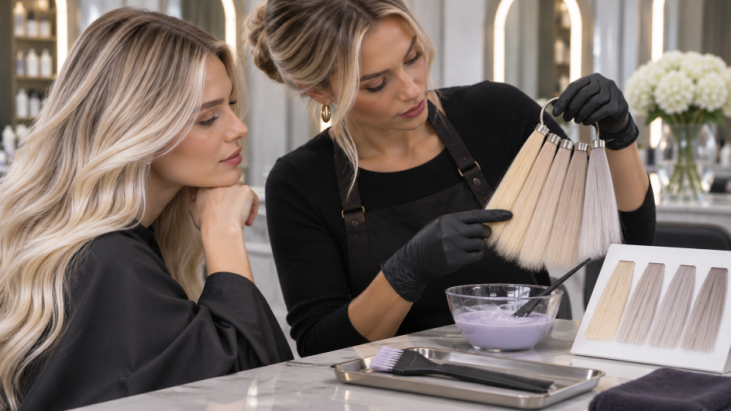
Choosing a toner for brassy blonde hair begins with identifying the dominant unwanted undertone.
Professional color correction follows these complementary relationships:
- Violet cancels yellow.
- Blue cancels orange.
- Green cancels red.
- Blue-violet covers mixed orange and yellow.
These principles are especially important when deciding how to tone brassy blonde hair at different levels.
Levels 9–10: Pale Blonde and Platinum
Light blondes commonly reveal yellow underlying pigment.
Violet-based toners help neutralize this yellow, creating a cooler finish when the hair has been lifted sufficiently.
Levels 6–7: Dark Blonde
Darker blondes may reveal orange-yellow warmth.
A blue-violet formulation can address this mixed warmth more effectively than a violet-only toner.
The goal is not to apply the coolest formula available. It is to select the corrective pigment that matches the exposed warmth and desired finish.
If the hair has not reached the required level of lift, toner alone cannot create the intended lighter blonde.
Toner vs Purple Shampoo: What Home Care Can and Cannot Do
Purple shampoo helps maintain blonde tone between salon appointments, but it does not replace professional toning.
Violet pigments in purple shampoo can temporarily reduce the appearance of yellow warmth.
Duomo’s blonde purple shampoo contains violet pigments and conditioning ingredients designed to support blonde brightness, softness, and shine.
However, purple shampoo has limitations.
It cannot reliably correct strong orange undertones, compensate for insufficient lightening, or address uneven porosity with the precision of a professional salon formulation.
Excessive pigment buildup may also leave some blonde sections looking overly cool, dull, or uneven, particularly on porous hair.
Recommend purple shampoo according to the client’s actual tonal needs and the manufacturer’s directions rather than prescribing it for every wash.
For clients unsure which service they need, Duomo’s guide to toner vs gloss vs demi-permanent explains the differences.
A toner primarily corrects or refines undertones. A gloss refreshes tone and enhances shine, while demi-permanent describes a formulation category that can perform either function.
What Makes Blonde Hair Turn Brassy Faster?
Several environmental and lifestyle factors can accelerate visible tonal changes.
1. Frequent Washing
Repeated shampooing can gradually remove deposited color, making underlying warmth more noticeable.
Professional recommendation: Suggest gentle cleansing products suitable for color-treated hair and a washing routine that meets the client’s scalp and lifestyle needs.
2. Hard Water and Mineral Buildup
Hard water contains dissolved minerals that can accumulate on hair and contribute to dullness or changes in color appearance. Iron and copper deposits may also affect the appearance of blonde hair.
Professional recommendation: Investigate possible mineral buildup when blonde repeatedly appears dull or discolored. Use appropriate clarifying or chelating treatments when indicated.
3. Excessive Heat Styling
Frequent high-temperature styling can contribute to dryness and artificial color fading.
Professional recommendation: Encourage heat protection and the lowest effective styling temperature.
4. UV Exposure
Sunlight can contribute to pigment degradation and changes in blonde color.
Professional recommendation: Suggest protective styling, hats, and suitable hair products for clients who spend considerable time outdoors.
5. Chlorine and Swimming
Swimming pool chemicals and mineral exposure may affect the appearance and condition of lightened hair.
Professional recommendation: Encourage clients to wet their hair with clean water before swimming and rinse thoroughly afterward.
Understanding these factors helps colorists explain how to keep blonde hair from turning brassy without promising that one product will prevent every tonal change.
How to Build Toner Appointments Into Your Service Menu
A structured toner maintenance service can improve the client experience and make repeat appointments easier to plan.
Rather than presenting toner as an unexpected correction, position it as part of the original blonde service.
Recommend the Next Appointment at Checkout
Explain the suggested maintenance interval while the finished color is visible.
A platinum client may benefit from an earlier appointment, while someone with a lived-in balayage may prefer a longer interval.
Make clear that the recommendation can change depending on how the color fades.
Offer Standalone Gloss Refreshes
Clients often ask how often to gloss hair between major color appointments.
For many, a gloss consultation around 4 to 6 weeks is a reasonable starting point. Others may benefit from shorter or longer intervals.
A gloss can help refresh faded tone and improve the appearance of shine without repeating a full lightening service.
Pair Salon Services With Appropriate Home Care
Recommend products according to the client’s blonde level, porosity, and maintenance habits.
Purple shampoo may help control yellow, but not every blonde requires violet pigment regularly.
Record the formula, starting level, hair condition, and maintenance results at each visit. This information helps refine future appointments and builds consistency across salon services.
FAQs
Can You Tone Blonde Hair Too Often?
Yes. Repeated toning without assessing the existing color can cause excessive pigment buildup, unwanted coolness, or uneven results. Some oxidative toner formulations also place additional demands on previously processed hair. Evaluate porosity, hair condition, and the actual need for correction before applying another toner.
How Long Does Toner Last on Blonde Hair?
Many professional toners maintain a noticeable effect for approximately 2 to 6 weeks, although some formulas and maintenance routines produce shorter or longer results. Longevity depends on formulation, porosity, wash frequency, and environmental exposure. A 4 to 6 week review is a practical starting point for many blonde clients.
Is Purple Shampoo Enough to Keep Blonde From Going Brassy?
Purple shampoo can help manage yellow tones between salon visits, especially on lighter blondes. However, it cannot reliably neutralize strong orange warmth or correct significant differences in hair porosity. Professional toning may still be necessary when the desired result requires more controlled pigment placement.
Do You Need to Tone After Every Lightening Service?
Not necessarily. Toning is appropriate when the exposed underlying pigment needs adjustment to achieve the desired shade. If the hair already displays the intended tone, additional corrective pigment may be unnecessary. Always assess the finished level and undertone before deciding.
Why Does My Client’s Blonde Turn Brassy So Quickly?
Rapid brassiness may result from porous hair, frequent washing, heat styling, UV exposure, mineral buildup, or insufficient initial neutralization. It can also occur when the corrective formula does not adequately address the exposed underlying pigment. Review the client’s color history, starting level, and home-care routine before changing the formulation or maintenance schedule.
Keep Blonde Maintenance Predictable
So, how often should you tone blonde hair?
For many clients, a professional toner or gloss refresh every 4 to 6 weeks provides a useful starting point. However, the ideal schedule depends on blonde level, porosity, washing habits, environmental exposure, and the desired finish.
Successful maintenance requires more than repeating the same formula. Colorists should identify returning warmth, evaluate the hair’s condition, and adjust both the corrective pigment and appointment interval accordingly.
For the full underlying pigment breakdown behind every tone correction, start with the underlying pigment map.
Salons ready to add Duomo to their service menu can apply for a professional salon account.